AI in action: How we’re solving real-world problems for clients

As Director of Technology, Alan plans and architects solutions to the complex problems Annertech solves on a daily basis.

At Annertech, we’ve always focused on making complex technology feel simple. While AI is currently the biggest topic in tech, we aren't interested in using it just for the sake of it. For us, the value of artificial intelligence lies in its ability to solve practical, everyday challenges for our clients.
Whether it’s reducing manual admin for site editors or helping users find exactly what they need in seconds, we’re integrating AI to create more efficient and intuitive digital experiences. Here is a look at how we’re putting these tools to work across some of our recent projects.
Smarter content with MMC and Claude
The Skillnet MMC Accelerate platform is a digital-first initiative designed to future-proof Ireland’s construction industry. A collaboration between Skillnet Ireland and the Construction IT Alliance (CitA), it serves as the country’s first dedicated upskilling portal for Modern Methods of Construction (MMC).
The platform addresses critical skills shortages by connecting four key groups – school leavers, tradespeople, site staff and small/medium businesses – with the training and resources needed for a high-tech, sustainable construction sector. By providing clear career pathways and curated educational content, MMC Accelerate helps the workforce adapt to digital design and off-site manufacturing, ultimately supporting national goals like the Housing for All plan.
For our clients at MMC, the challenge wasn’t a lack of content – it was the sheer volume of it. When you have thousands of images and vast amounts of course material, keeping everything organised can become a full-time job.
AI-powered accessibility and tagging
The MMC Accelerate platform manages a significant volume of imagery across career profiles, course listings and editorial content. Writing accurate, descriptive alt text for every image manually is time-consuming in practice, and without automation, alt text is often inconsistently applied across large image libraries, creating gaps that are difficult to audit and maintain over time.
Annertech has implemented AI-powered alt text generation on MMC Accelerate. When a content editor uploads an image, the system analyses the image content automatically and generates a draft alt text description. The editor can review and refine it, but the heavy lifting is done. This saves significant editorial time, improves accessibility consistency across the platform, and reduces the risk of images being published without alt text.
Watch

We also implemented auto tagging for their image library. Using Claude, the system “looks” at an image as it’s uploaded and automatically suggests relevant tags. No more manual entry, no more 'image_final_v2.jpg' lost in the abyss.
AI-powered course-to-career-pathway matching
One of the core structural challenges of the MMC Accelerate platform is linking training courses to the career profiles and skills taxonomy they support. Done manually, this can be a laborious and error-prone process, particularly as the course directory grows.
On this platform, Annertech has implemented AI-powered role matching for course imports. When a course is brought into the platform, the system reads the course content and automatically suggests which career roles and competencies it relates to.
Editors review and confirm the suggestions rather than building every relationship from scratch. This keeps connections between courses and career pathways accurate, consistent and scalable as content volumes grow.
Automated course aggregation
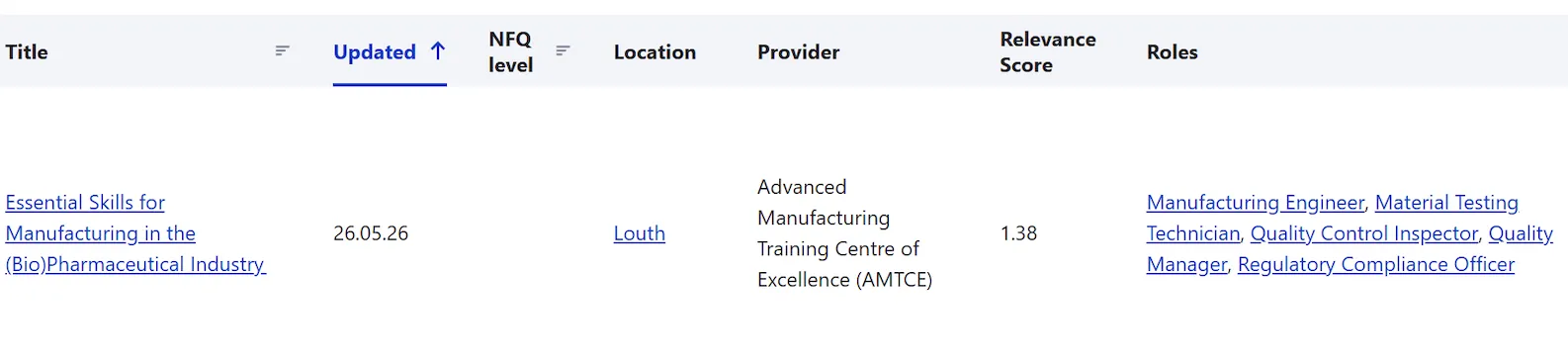
Managing a live course directory requires constant monitoring of education providers for new offerings. On MMC Accelerate, Annertech is developing an automated course aggregation system that replaces manual searching across multiple education websites with intelligent scrapers.
These gather new course information automatically, presenting courses to administrators for approval or rejection rather than requiring manual discovery. Administrators move from searching to curating, which is a far more efficient and scalable model.
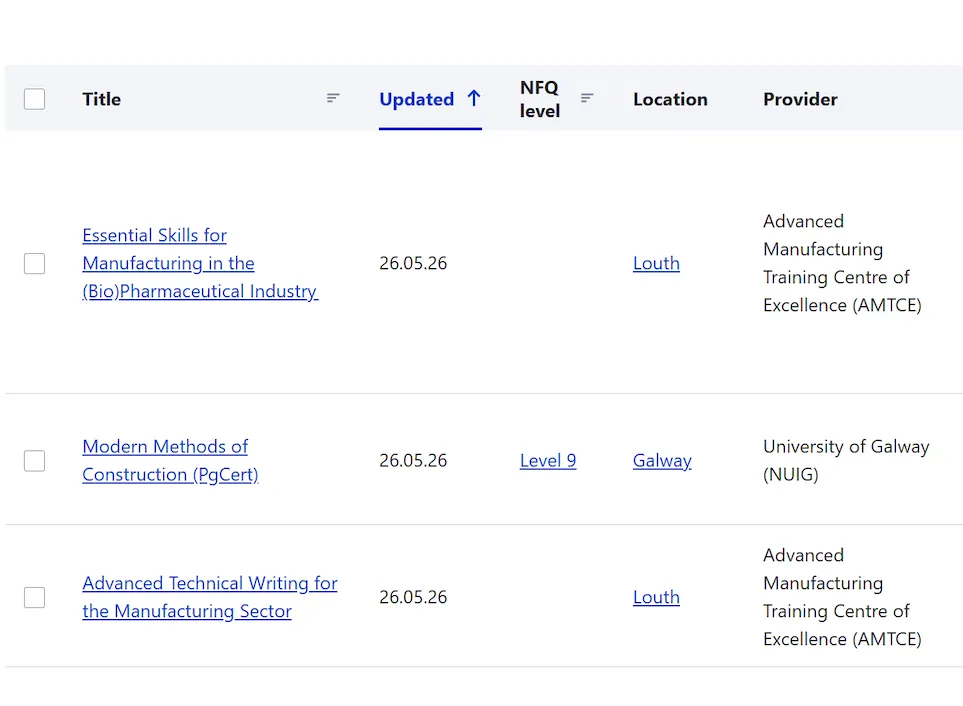
Depending on how well the course content matched the keywords, they are assigned a relevance score to show the quality of the match.
A human then reviews the courses, and approves or rejects the changes.
MMC's course directory will need to grow and stay current over time, and automating the discovery and ingestion of new course data is a meaningful innovation that directly supports long-term platform sustainability.
Streamlining source data
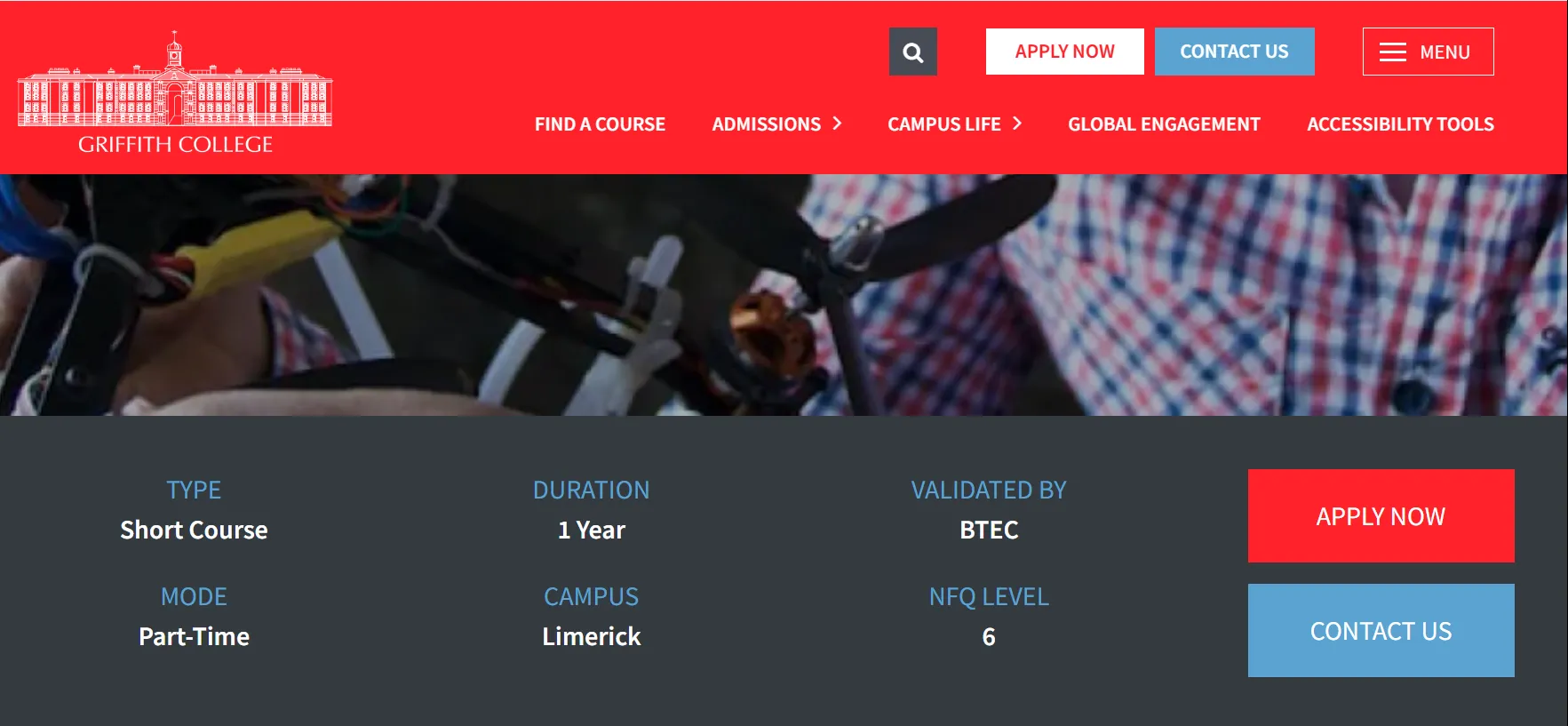
We are also letting AI loose on the messy world of source data. Take “delivery modes“ for example. Every external site has its own way of describing things, leading to a chaotic mix of data such as part time, Part-Time, online and online classes. AI steps in to interpret these variations and match them up with the correct taxonomy term already on the Skillnet MMC Accelerate platform.
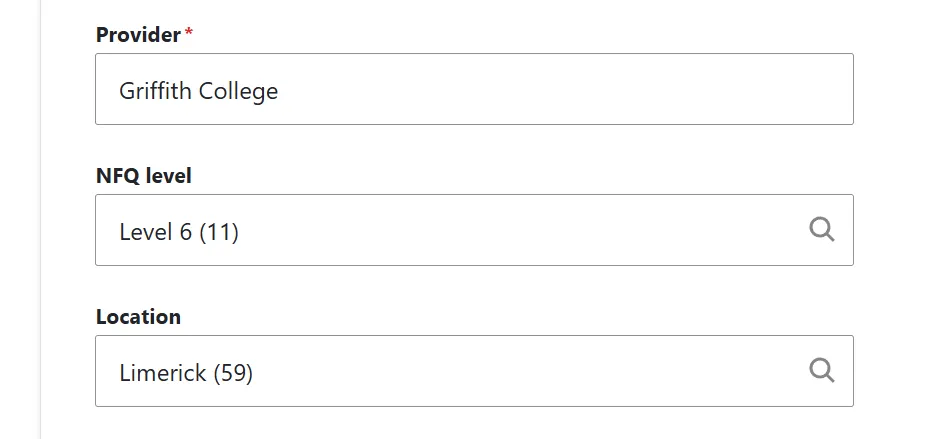
It is a similar story for NFQ levels, where the source formatting can be wildly inconsistent. One feed might say 9, another NFQ 9, Level 9 or NFQ Level 9 (Masters). Instead of importing this data exactly as it arrives (which would be challenging to use for structured filtering) AI tools normalise the information. This ensures everything is categorised cleanly, keeping the user experience seamless and the data functional.
Orange and the power of reverse image search
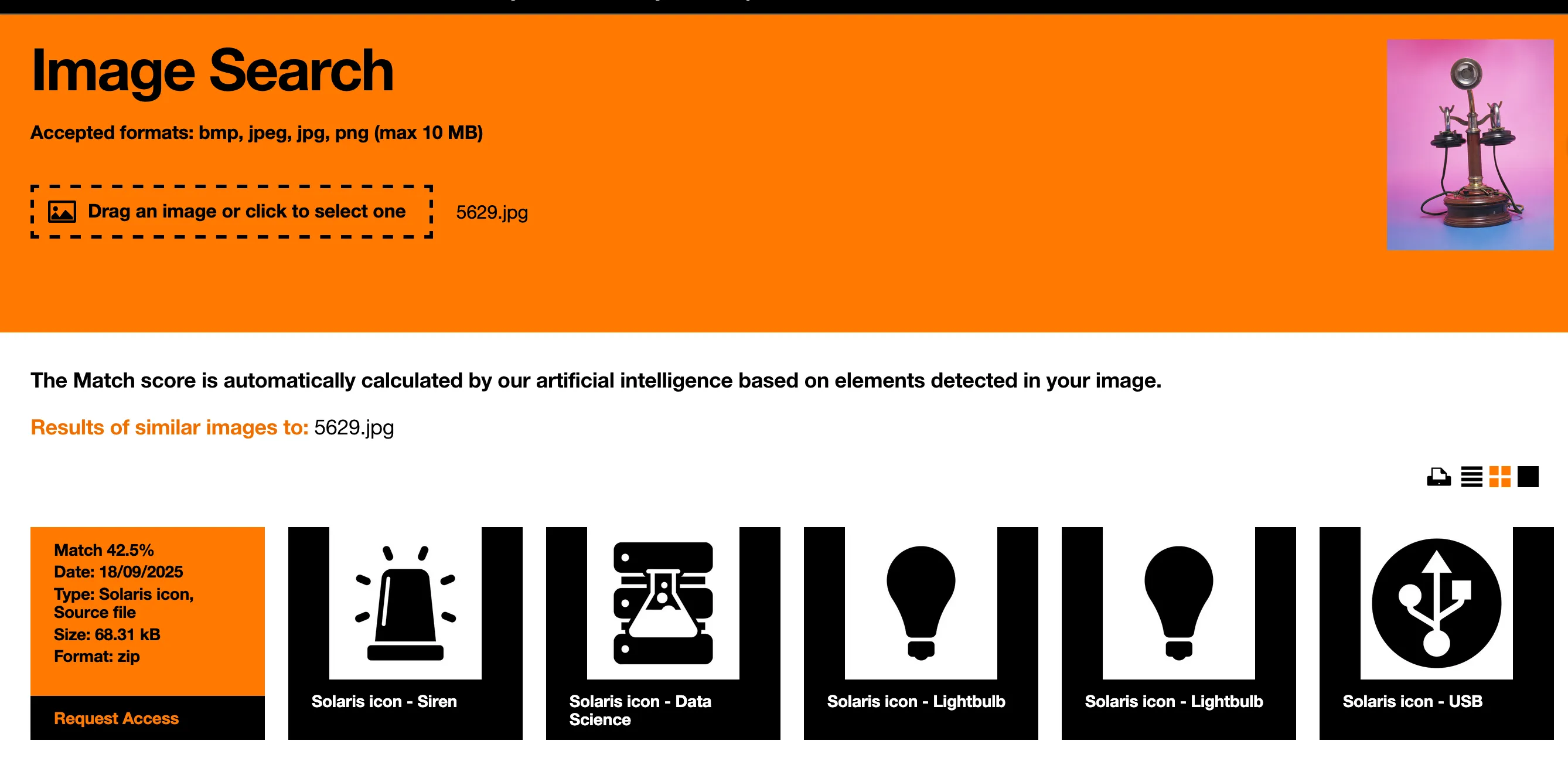
Ever had an image on your computer and thought, “I know this is on the website somewhere, but I have no idea where”? We solved this for Orange with a custom reverse image search.
Orange is a global telecommunications heavyweight. With thousands of employees and partners creating content across the globe, maintaining brand consistency is a monumental task. We worked with them to build the Orange Brand site – a sophisticated, high-performance repository that made it easy for their teams to find the right assets and tell the Orange story with one voice.
Now we’ve improved on that by indexing over 100,000 images using Typesense, a lightning-fast search engine. Instead of guessing filenames or scrolling through endless folders, users can simply upload the image they have on their drive to find its match (and all its metadata) on the site.
It’s a massive win for efficiency. What used to be a frustrating “needle in a haystack” search is now a three-second task. It’s clever, it’s fast and it makes life much easier for the team behind the scenes.
Glanbia Nutrition: A chatbot that actually helps
We’ve all encountered chatbots that are more annoying than helpful. For Glanbia Nutrition, we wanted to provide something different.
Glanbia Nutrition is the B2B powerhouse behind some of the world’s most successful food, beverage and supplement brands. As a global leader in nutritional ingredients, from high-quality proteins to essential vitamin premixes, they provide the science-led solutions that help people lead healthier, active lives. Because their product range is so vast and technical, we’ve been working with them to ensure their customers can navigate this deep well of information with ease.
Using NAVU, we’ve integrated an AI-powered chatbot designed to guide users through the site’s deep well of technical content. To keep things precise and valuable, we’ve limited its scope to specific markets and high-value content.
This means the bot isn’t just guessing; it’s a specialist. It helps B2B customers find exactly the nutritional data or product info they need, right when they need it. It’s professional, purposeful and a great example of how AI can enhance a user journey rather than interrupt it.

Making AI work for you
AI shouldn't be a bolt-on. Whether it’s through smarter search, automated tagging or helpful chatbots, we believe the best use of AI is the one you barely notice because it’s working so well.
If you’re wondering how these kinds of smart features could work for your next project, we’d love to chat. We promise to keep the tech-speak to a minimum (unless you’re into that sort of thing).
As Director of Technology, Alan plans and architects solutions to the complex problems Annertech solves on a daily basis.
Do more, quicker
If your team is spending too much time tagging images or hunting for content, it might be time for a smarter approach. From Claude-powered tagging to custom reverse image search, we build tools that give you your time back. Contact us today to discuss your digital challenges.