How Barking and Dagenham future-proofed its website with LocalGov Drupal

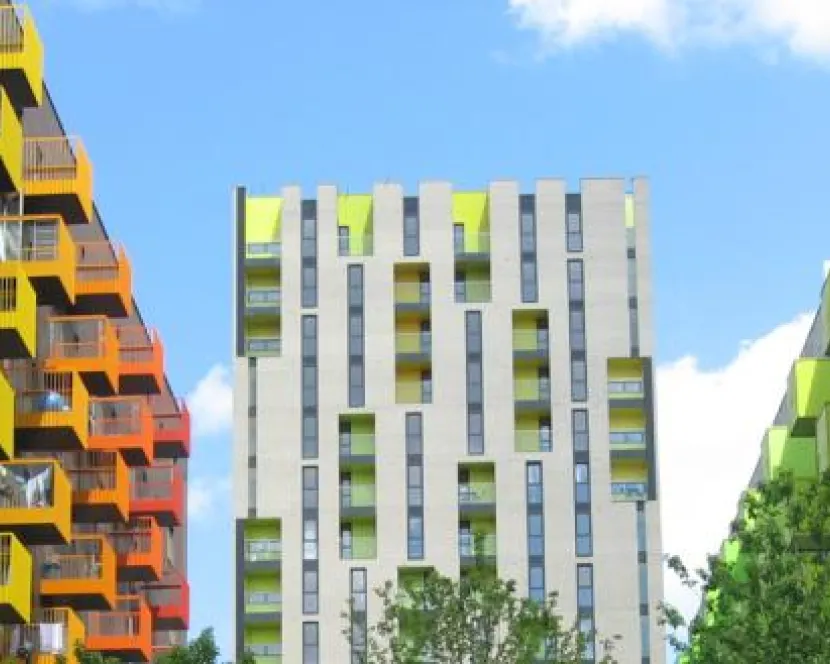
The London Borough of Barking and Dagenham (LBBD) is a borough in East London and is home to nearly 220,000 residents.
Like most councils, LBBD’s website is a hub where residents can get information, access services, make payments and report problems.
But LBBD wanted to make the process as simple and as quickly as possible for its users, the majority of whom access the website on a mobile phone.
Websites need to be updated regularly – security features must be kept up to date, content needs to be refreshed, and new technology and features need to be added all the time.
For large, complicated websites such as local government websites, a major update can be quite a big task, and can take many months, depending on the type of updates that need to be done as well as the size and complexity of the website.
LBBD had previously undertaken a big migration from Drupal 7 to Drupal 8. And now the council had its eye on two things: future-proofing the website and ensuring that it could evolve continuously in line with best practices and new technological advances.
Why LGD?
LocalGov Drupal, or LGD as it has become known, is gaining in popularity among councils in the UK and Ireland. It is a Drupal-based CMS built by councils, for councils.
One of its many benefits is that is that new features are always being added, and these features can be used by any councils that build their websites with LGD.
Although LBBD’s website was running on Drupal 8, and thus was fairly modern, the council wanted to bring it into the LocalGov Drupal fold.
Because LGD works on a "build to share" principle, many common problems have already been solved by other councils.
By joining the LGD project, LBBD gained access to shared knowledge and best practices, which were developed based on council-specific research that had previously been conducted.
Not only does LGD run on an open-source platform (Drupal), all the features that are added are also free. This saves the council money in the long term and would allow the website's content team to add new features as they are rolled out.
The council wanted the initial design to be based on the needs of its customers. About 60% of users of the lbbd.gov.uk website were connecting via mobile phones.
By ensuring the design is responsive, more residents would be able to access online services that are available on the website.
All the council’s existing systems needed to be integrated into the new site too. These included features such as refuse collection calendars and payment systems.
The project
Annertech, along with our user-research partners Invuse, conducted the discovery and research phase of the project. The remit was to ensure that the website would be more engaging and that all users could get the information they needed in an intuitive way.
The outcome of this phase included recommendations on usability and accessibility - along with guidance on content creation.
User experience findings showed that the users could be categorised as:
- residents
- business/commercial
- staff
- partners
LBBD also knew that the main tasks customers wanted to do on the website were to:
- make a payment
- find information
- access a service
- report an issue
Some important aspects of the project during its initial phases were: UX design (navigation and information architecture); content (GDS standard for accessibility and adherence to WCAG 2.1 AA) and User Interface design (layout and visual design).
A multi-stakeholder approach
The success of the discovery phase relied heavily on a close-knit collaboration between Annertech, our UX partners at Invuse, and LBBD’s internal digital and communications teams.
To ensure the new platform met the diverse needs of the borough, we engaged with over 25 key stakeholders from across the council. This included deep-dive workshops with service leads to understand the nuances of resident interactions, from bin collections to council tax queries.
By working as an extension of the LBBD team, we were able to align the technical roadmap with the council's strategic goals.
This joint effort ensured that the final Information Architecture wasn't just technically sound, but was also deeply rooted in the day-to-day realities of the staff who manage the content and the residents who use the services.
Content design: putting user needs first
Together, we applied the core principles of content design to ensure the website does the hard work for the user.
Rather than simply migrating existing copy, we focused on identifying specific user needs (i.e. what residents actually came to the site to do) and presenting that information in the most effective way possible.
By using plain English and structuring content to be simpler, clearer and faster we ensured that residents could find information and complete tasks like reporting an issue or making a payment with minimal friction.
This approach moves away from a department-led way of publishing toward a user-led one, creating an accessible experience that works for everyone, regardless of the device they use.
Building a faster, integrated digital experience
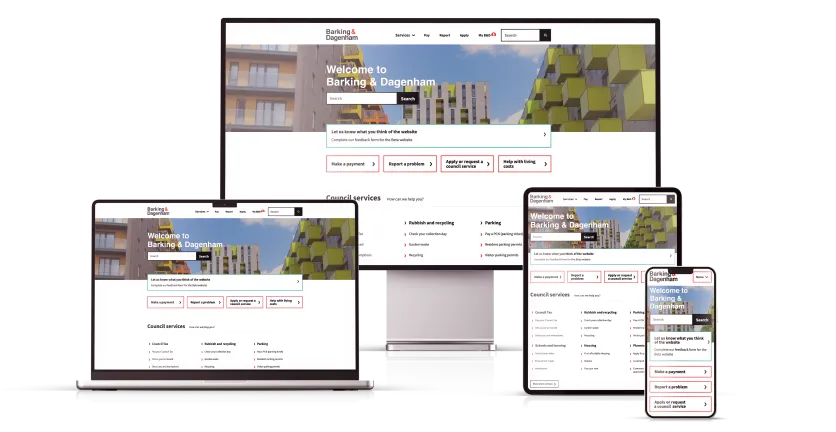
In terms of development, Annertech used the LGD base theme, which is based on the GOV.UK design system and other best-practices. This ensures that websites built using LGD are accessible and responsive.
The main task was to put the council's services front and centre on the website to ensure easy access. Signposts were added for services, payments, reports and applications.
Annertech also needed to integrate LBBD’s existing CRM data solutions into the new site. These include services such as refuse collection days and ordering new bins.
One big advantage of moving on to LocalGov Drupal was the turnaround time. Because the code for the LGD project has already been written, a website can be built in weeks, rather than months. It took just five months to complete the entire project!
Beyond the launch: a community effort
This project was more than just a website migration; it was a collaborative achievement involving multiple external partners and internal departments.
While Annertech handled the Drupal architecture and LGD implementation, we worked alongside external data specialists to ensure that LBBD’s pre-existing CRM and payment gateways were integrated without a hitch.
Furthermore, because LBBD is now part of the LocalGov Drupal movement, the collaboration continues. The council’s digital team is no longer working in isolation; they are now part of a peer-to-peer network where they can draw on the insights that other councils share freely.
Any custom feature developed for any LocalGov Drupal website has the potential to benefit the entire LGD community, just as LBBD benefited from the "build to share" contributions of councils that came before them.
Conclusion
This project perfectly demonstrates the power of LocalGov Drupal to future-proof public sector digital services.
By migrating to the LGD platform, the London Borough of Barking and Dagenham gained immediate access to best practices, shared code, and continuous innovation developed by a collaborative community of councils.
This forward-thinking move not only streamlined their services and improved user experience, particularly for mobile users, but also ensured the council could rapidly adapt to new technology and evolving citizen needs without costly, time-consuming major migrations in the future.
LGD provided the solid, flexible foundation needed for the council's ongoing digital transformation journey.
Related Case Studies
-
 South Gloucestershire CouncilFunding local climate action with LocalGov Drupal
ICaN: How South Gloucestershire turned climate intent into action
-
 Luton Borough CouncilFrom zero to beta in 77 days
From zero to beta to launch in ±180 days: Luton Borough Council’s speedy digital transformation
-
 Essex County CouncilMicrosite magic
Love Essex: The microsite built around the user
Deliver better services for your residents, faster
From content design to complex CRM integrations, we specialise in making council websites work harder for their users. Join the growing community of councils choosing a smarter way to build.