AI in LocalGov Drupal: Harnessing the power responsibly and effectively

Tony is a Drupal frontend specialist. He brings many years of experience in balancing design, performance, accessibility and usability to realise objectives and bring user experiences to life.
AI is everywhere right now, and local government is no exception. Although we see massive potential for artificial intelligence to make local authority digital services sharper and more engaging for citizens, it is not a good idea to rush blindly into AI adoption.
For public sector organisations, adopting AI requires a healthy dose of caution, strategy and responsibility. That’s why we’re working closely with the community to bring AI into LocalGov Drupal – the CMS built by councils, for councils. With AI driving some of the most exciting new contributions to the broader Drupal ecosystem, here is how we’re helping councils tap into that power safely.
Practical applications in local government
So, what can AI do for local councils right now? The possibilities are exciting and rapidly evolving:
Chatbots and their challenges
AI chatbots may be the first thing that we picture when we think about AI in local government. They have the potential to handle common enquiries around the clock, significantly reducing pressure on contact centre staff. However, the conditions for a chatbot to meet best practices and compliance are considerably more complex than may appear on the surface.
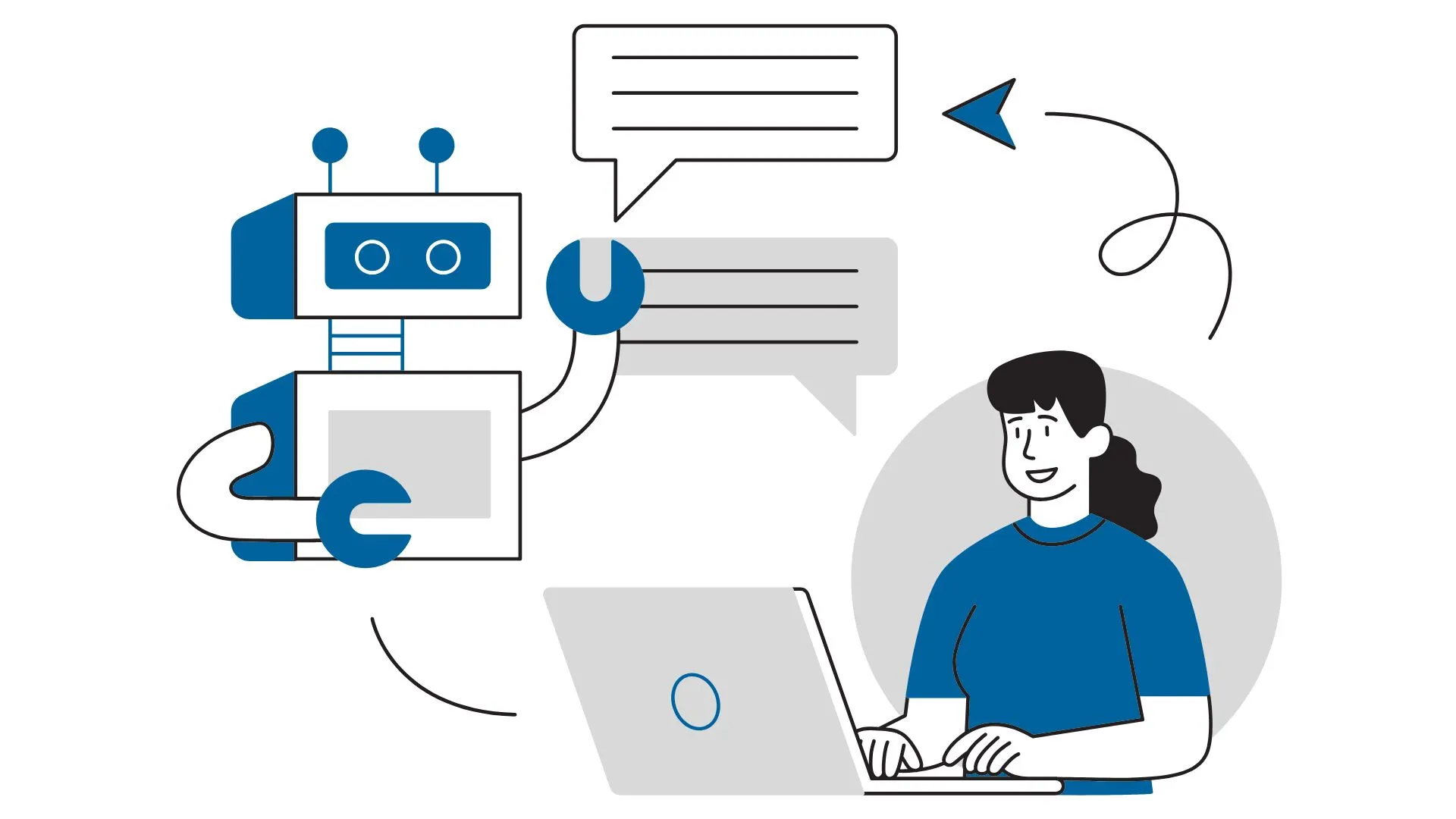
Residents trying to obtain information from a chatbot may offer up data of the very most sensitive nature — relating to addresses, schools, finances or health — without being prompted for it and, worse, without the means to make an informed choice about how their data will be processed. Data protection and other compliance requirements must be met, including clarity on where any sensitive data is processed and stored geographically.
Responses must meet a reliability test appropriate to the context. In 2026, unfiltered made-up responses are frequent, and inaccuracies can often be the rule and not the exception without guardrails in place.
The UK Government's AI Playbook (pdf) principles give councils a clear framework for setting out this position, both internally and with suppliers. A chatbot should be considered as a mature-capability project rather than a starting point.
Document processing
Document processing can save countless hours. AI can summarise large documents like committee papers, policies, and consultation responses, making it much easier for residents to engage with complex public information.
PDF importer and migration assistant tools can turn inaccessible, structured content like reports and forms into usable, accessible web content in the LocalGov Publications format. This can help councils to make great strides forward for digital inclusion.
This is where the team at Chicken stepped up as lead developers, working in partnership with Southwark Council and the LocalGov Drupal community to build the AI-powered Publications Importer. By turning lengthy, locked PDFs into clean HTML in a fraction of the time, their work helps council teams focus on content quality and user accessibility rather than spending a lot of time trying to fix or reformat inaccessible PDFs.
Intelligent search
Intelligent search can greatly enhance the user experience. By understanding natural language queries, AI can surface the right content faster and even learn from user search patterns. Be aware of privacy concerns over user-entered search terms and ensure appropriate security measures are in place.
Content quality
Content quality is one of the most immediate benefits. AI can assist with drafting, summarising complex documents, checking tone, and converting text into plain English. The key here is always maintaining human editorial control. AI assists, but your team decides what gets published.
Metadata and alt text can be automated. AI can provide suggestions for tagging, categorisation, and image alt text, ensuring better SEO and accessibility, but this still requires human review for accuracy and context.
Combining programmed automation with AI tools
Behind the scenes, AI can help with interpreting reports and offering suggestions for improvements in areas such as content quality, accessibility and best practices. AI tools paired with programmed automations can significantly reduce AI resource usage, often with more reliable results. And not all of that requires an expensive LLM – many automated tools in the Drupal ecosystem report and fix code quality issues through programming alone.
What else is possible?
The frontier is constantly expanding with tools for translation, sentiment analysis (great for triaging feedback and complaints), and predictive content suggestions.
Responsible use: Trust is non-negotiable
It is crucial to use AI responsibly, especially as regulatory guardrails are locking into place. The EU AI Act sets strict, risk-based legal standards for public sector deployment, while the UK government's AI playbook offers a practical blueprint for civil servants to implement these technologies safely and ethically.
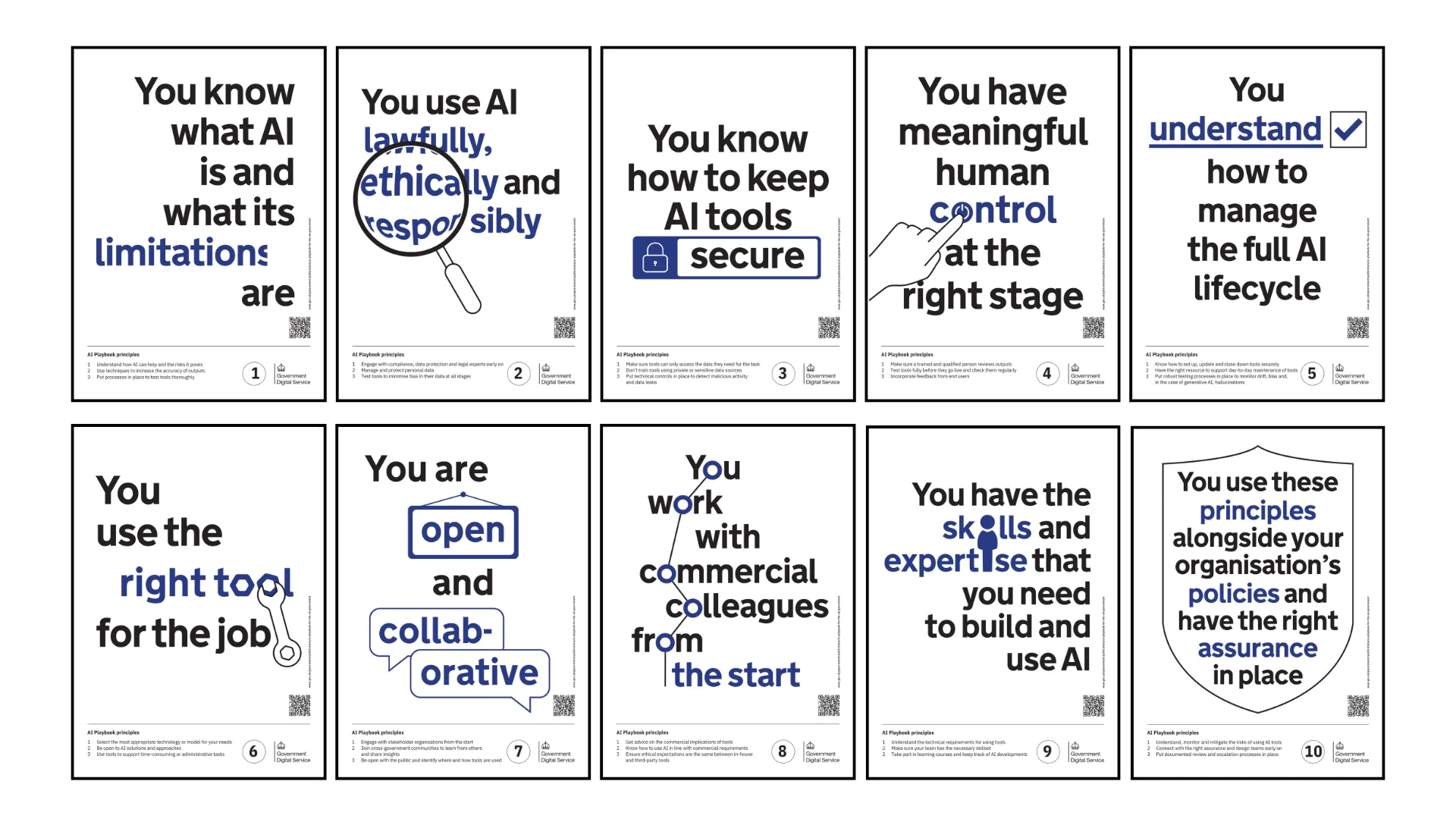
Using AI responsibly means focusing on a few core principles:
- Transparency: Be clear when AI is involved, and label AI-generated content. Public trust is your most valuable asset, and honesty is the foundation of building trust.
- Human oversight: AI is an assistant; humans must decide. Editorial review of all AI-generated content is mandatory, and accountability must always remain with people, not the machine.
- Accuracy: AI is known to “hallucinate” and make errors. Council information must be accurate, making verification workflows absolutely essential.
- Bias and inclusivity: AI models reflect the data they are trained on, which carries a risk of perpetuating inequalities. Ongoing monitoring and rigorous testing for bias are crucial for inclusivity.
- Data protection: Ensure strict GDPR compliance. You must protect personal data in prompts and responses, implement strong data processing agreements, and conduct thorough privacy impact assessments.
- Governance frameworks: Establish clear policies for AI use, set up approval processes, define roles and responsibilities, and commit to regular review of your strategy.
- Staff training: Helping staff understand AI's capabilities and, crucially, its limits is vital. This is about building confidence, not fear, and managing organisational change effectively. The reality is that almost everyone on the team will be interacting with AI in some capacity, whether they realise it or not. That means basic AI literacy cannot just be for the tech team. Upskilling all staff on what AI actually is, how it works, what it excels at and where it falls flat ensures councils can use these tools safely and smartly, rather than accidentally feeding sensitive data into the wild.
Choosing your approach
Providers and procurement: You need to weigh the benefits of commercial vs open source options, understand the associated cost models, and ensure your choice fits within public sector procurement frameworks.
Where does the data go? This is a critical question for the councils. You must fully understand data processing locations, ensure compliance with GDPR and local residency rules, know exactly what information is sent to third parties, and have robust contractual protections in place.
Integration options: Will you use existing Drupal modules, build custom API connections, or rely on third-party platforms? The build vs buy decision needs to be carefully assessed based on long-term goals and resource availability.
Testing in the wild vs production-ready: As with any new feature, there's a balance to be struck between learning fast through real-world testing and ensuring any solution is robust enough to be used for essential public services.
Councils and risk appetite: Given the public trust involved and the nature of essential services, councils should generally be on the responsible and cautious end of the risk appetite scale.
Community collaboration: The great strength of LocalGov Drupal is sharing. By pooling our learnings across councils and contributing improvements, we can avoid duplication of effort and accelerate progress for everyone. Drupal has been leading with advanced AI capabilities thanks to the Drupal AI initiative. We now have deep understanding of its capabilities and limitations. What we learn from implementing and testing these tools feeds back directly into the wider Drupal AI effort, helping to strengthen the core tools for everyone.
Moving forward
The AI landscape is moving quickly, but you don't need to feel overwhelmed. We can help you navigate your AI journey – from figuring out where to start, measuring the success of the implementation, scaling up what works and ensuring that we have momentum, and then of course sharing the good with the community.
Where to begin
Identify the biggest pain points in your current services. This might be something like an overwhelming number of calls to your call centre.
Assess your team's readiness and find willing, enthusiastic teams to pilot new tools. We’ve found that although there are teams that don’t like change, there is at least one team within a council that is quite amenable to testing out new technology. The trick is to find that team. Once one team has successfully rolled out something new, it is a lot easier for others to follow.
Match your ambition to the appetite for risk. In the world of local government, innovation must be balanced against the duty to protect vulnerable residents and sensitive data. While your council may have big dreams for AI-driven automation, the complexity of your project should never outpace your organisation's ability to manage its ethical, legal and security implications.
Measuring success
Define what “good” looks like from the start. Track tangible metrics like time saved and enquiries handled, but also assess staff and citizen satisfaction.
Scaling what works
Move successfully tested tools from pilot to production, build on small wins, and share your success with the wider LocalGov Drupal community. That’s the beauty of the community – we share and learn from each other.
By contributing your findings back to the pool, you help ensure that high-quality, ethical AI becomes a standard feature of the local government landscape rather than a luxury for a few.
This collaborative approach means every successful integration doesn't just improve one council's site, but strengthens the digital foundation for local authorities across the board.
Keeping pace
AI is evolving rapidly, so stay connected to the latest developments, innovation, and commit to reviewing and adapting your approach regularly.
This proactive stance ensures that your council isn't just reacting to change, but is actively shaping how these tools improve resident lives. By staying agile, you can transition from “firefighting” immediate administrative burdens to delivering more predictive, human-centric services that truly meet the needs of your community.
And partnering with an agency that is already ahead of the curve can help you do this.
The community
We are all exploring this new territory together. There is incredible strength in community collaboration, and we encourage every council to get involved.
By staying agile and sharing our collective discoveries, we can ensure that as the technology shifts, our focus remains firmly on delivering better, more human-centric services. This isn't just about keeping up with the bots – it's about shaping how they serve the public good.
Tony is a Drupal frontend specialist. He brings many years of experience in balancing design, performance, accessibility and usability to realise objectives and bring user experiences to life.
Related Blog Posts
-

-
 18 August 2026
A year in the LGD Developer role. What can we achieve today?
-
Do you have questions around AI adoption?
What are you exploring? What challenges are you facing? How can we help?