Meet the Team: Head of Delivery Anthony Lindsay

After more than two decades in journalism, Alison now collaborates with Annertech's clients to ensure that their content is the best it possibly can be.
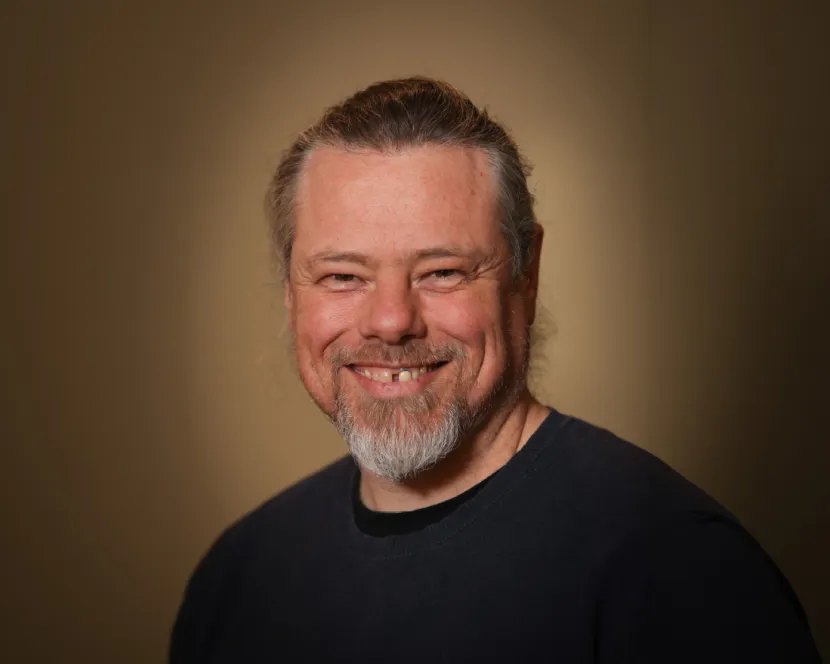
Moving from civil engineering to digital delivery might sound like a stretch, but for Annertech’s Head of Delivery Anthony Lindsay, building with code isn’t all that different from building with concrete. It’s all about sound processes, critical thinking and making sure things are built to last.
Alison Visser: Can you tell us a bit about yourself ?
Anthony Lindsay: Well, I live with my family in Dublin. I trained as a civil engineer at University College Dublin, but gradually moved from building with pipes and rock to building with code and components.
Alison: Last time we spoke, cooking and mountain biking were your primary stress busters. Are those still your go-to ways to unwind, or have any new hobbies taken over?
Anthony: You will definitely find me in the kitchen. I still cycle a fair bit, although mountain biking is a bit of a rarity.
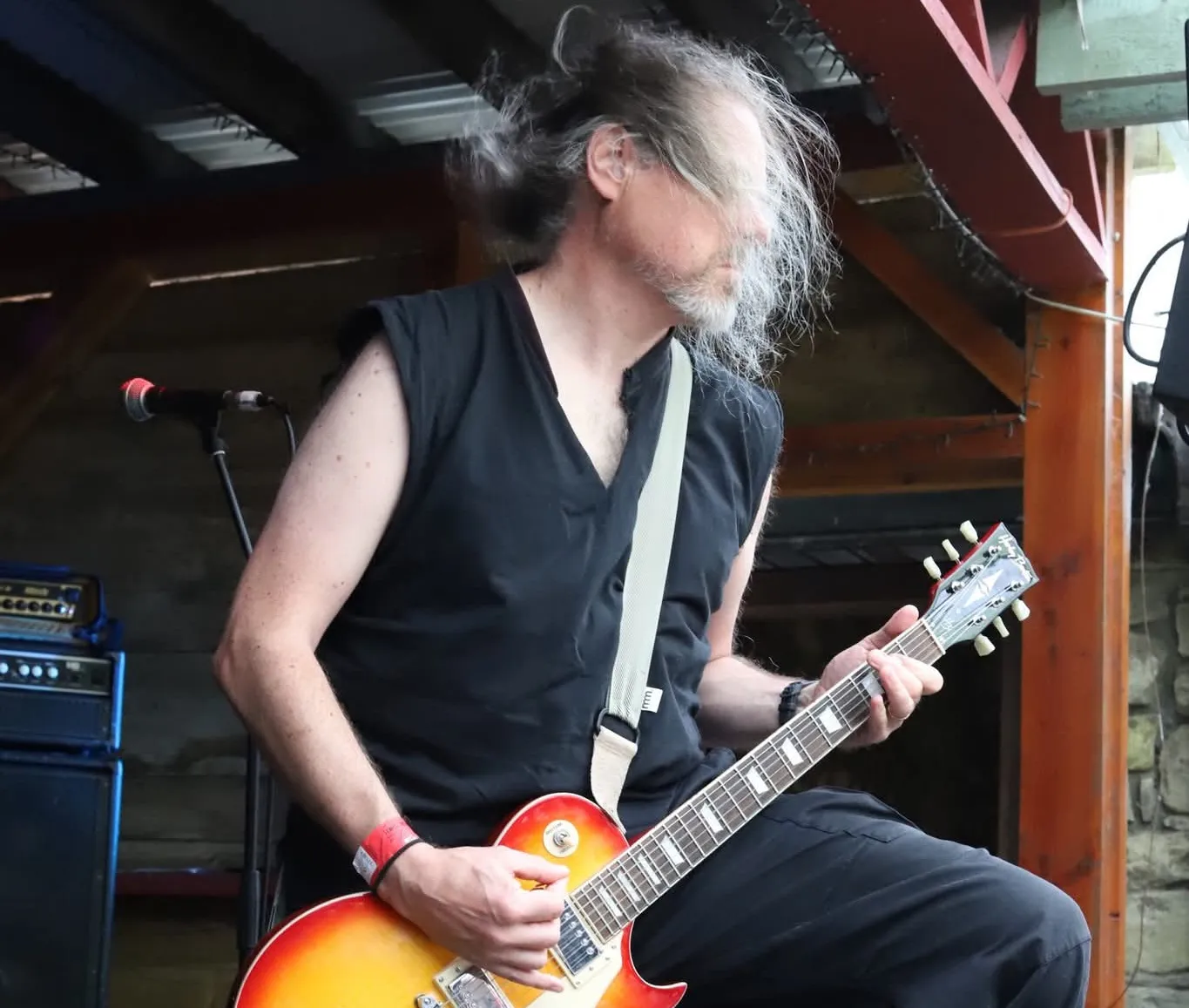
There’s little to match playing music to defeat stress, though. I usually have a guitar to hand and can often be found jamming tunes with friends at a session. We don’t gig as often as we used to; now we play maybe three or four gigs a year.
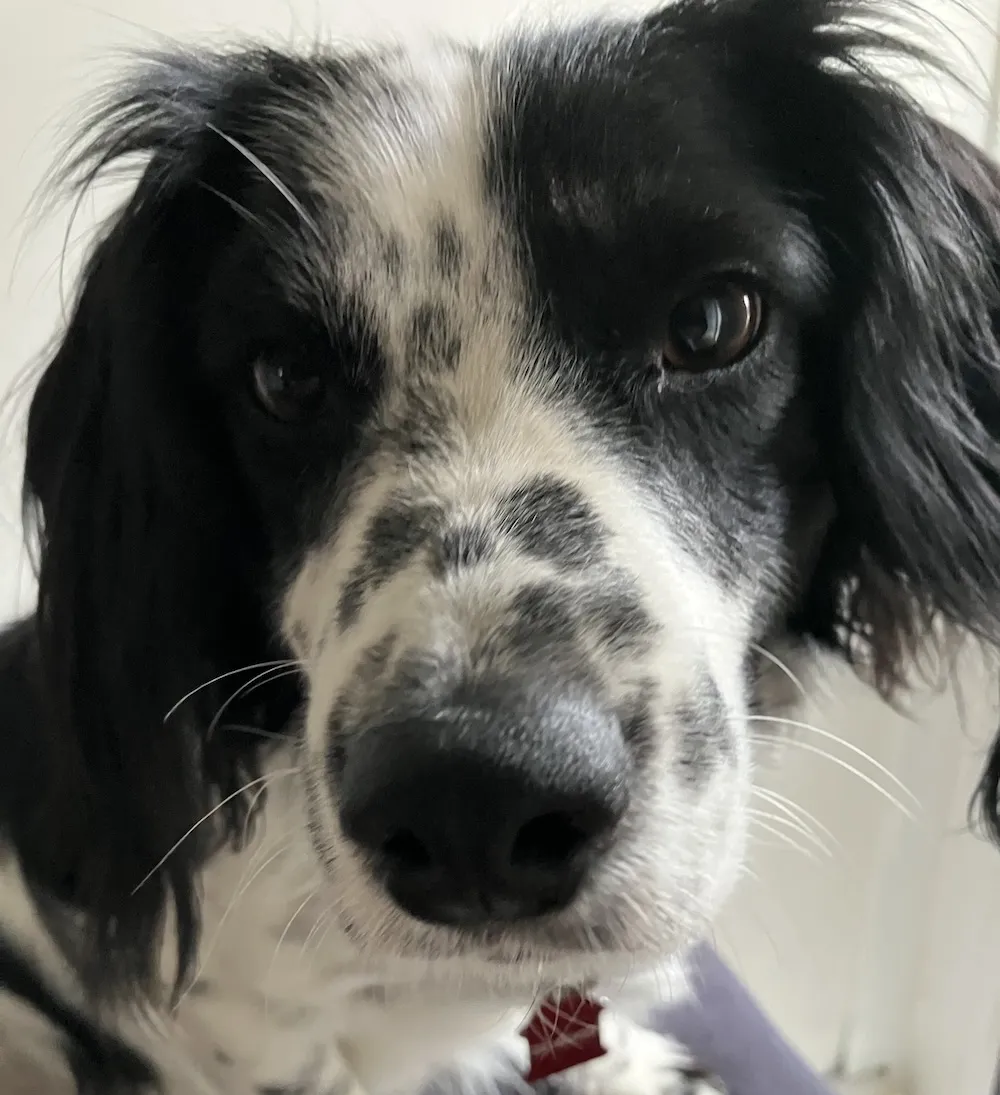
Another great stressbuster is our springer spaniel cross Charlie. He's a springer spaniel crossed with something like a daschund/squirrel/chicken. We got him for our son. He’s a rescue – he was found on the streets of Carlow.
He’s got a lovely gentle personality. He loves to receive affection, once you are taller than four feet tall. He’s latched on to me, probably because I’m here most of the time, I walk him in the morning and I feed him. His favourite thing in the world, apart from chasing squirrels, is to get broccoli stalks from an area we call “snack alley”, where there's a fox's den, and bring home his broccoli prize and gnaw it whilst lying on the back of the couch, like a squirrel.
Alison: You originally trained as a civil engineer. How do principles like structural integrity and load capacity apply to delivering complex digital platforms?
Anthony: I don’t know about structural integrity, but load capacity maps directly on to server planning!
Really, it’s the principles behind such things that come to bear for me. Things like: “deliver the product according to the specifications, but do not overdeliver because that is wasteful”. Or, “if a problem occurs, remedy it; but then engineer out the conditions for the problem so that it can never reoccur.”
These are the real values from engineering: critical, analytical thinking, the creation of processes for repetition, standardisation and getting to the core of a problem.
Alison: You were Head of Managed Services for a long time. What prompted the transition to Head of Delivery, and how does your day-to-day focus change?
Anthony: Well, the organisation grew, and with that, the need for more strategic oversight. Much of Managed Services is about getting dirty in the trenches. From a management perspective, that’s tactical. How can I deal with these requests? Who’s best placed to deliver them? What does done look like?
As Head of Delivery, I need to think more strategically. What services work? What doesn’t? What elements need to be looked at and given an overhaul, and who can do that? What does a given service look like in three years time? These are the sorts of questions I spend time trying to answer.
Alison: In your previous Meet the Team blog, you mentioned being a bit like ‘Scotty in Star Trek’ keeping engines running. How would you describe a Head of Delivery?
Anthony: Head of Delivery is much more akin to Captain Kirk than Scotty, albeit with fewer fist-fights and romantic engagements.
Alison: How does your deep background in support and ongoing maintenance give you an edge when overseeing brand new project builds?
Anthony: Years of dealing with the problems and challenges experienced by clients from different backgrounds and sectors has helped all the Managed Services team to gain a broad range of experience. It’s all too easy to find oneself siloed and forced to specialise in a software agency, so the wealth of knowledge gained over the years through supporting sites is a great boon. It means I can often spot potential problems early in a build, way before they can become a reality.
Alison: Annertech is a fully distributed agency across Ireland, the UK and beyond. How do you maintain smooth delivery pipelines and tight team collaboration across different regions?
Anthony: We had been doing remote working some 10 years before it became commonplace. We’re good at it. It all comes down to good communication channels, good documentation, good procedures and good people.
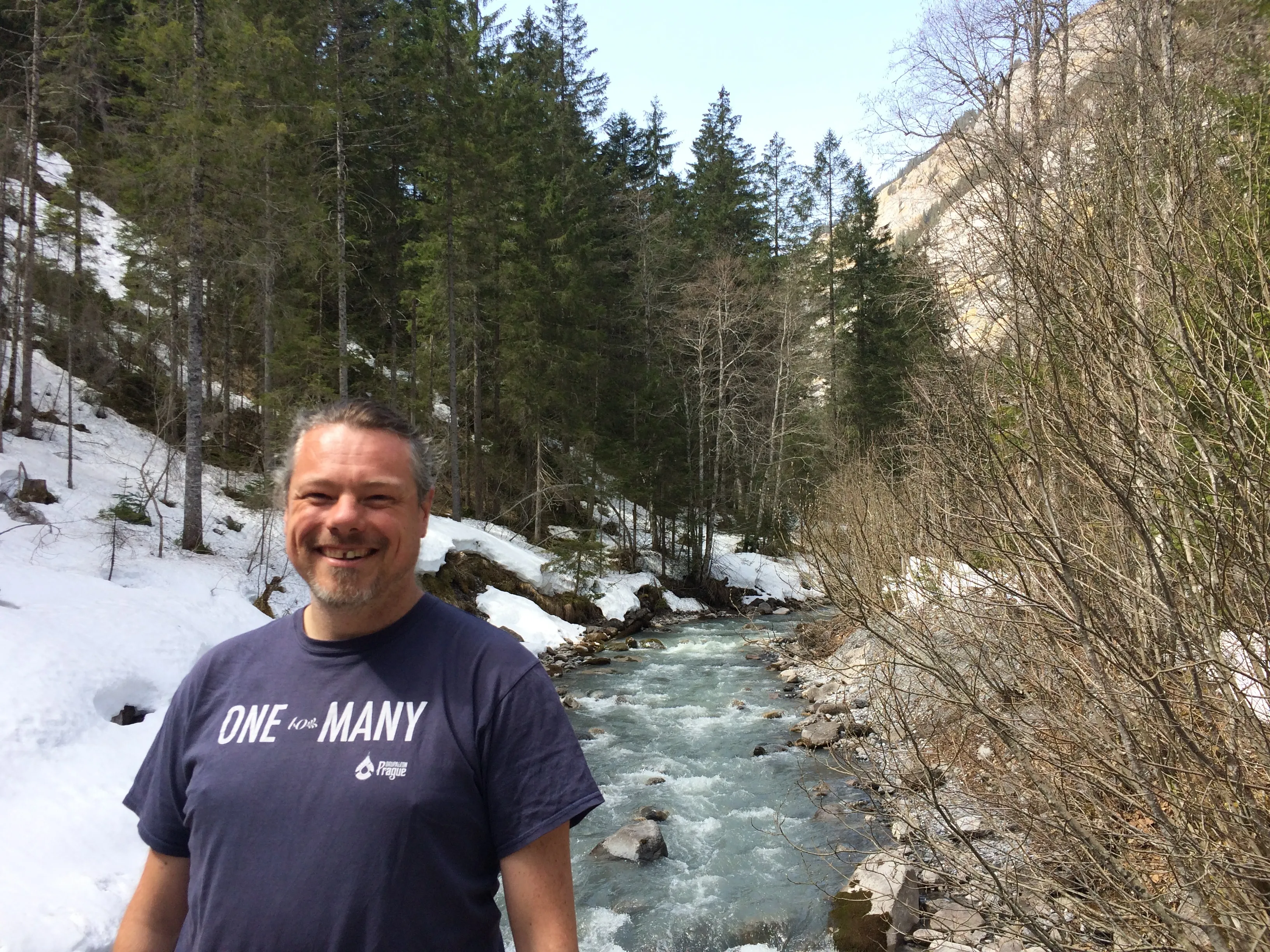
Alison: As Head of Delivery, how do you empower project managers and engineering leads to do their best work without micromanaging?
Anthony: I would always encourage anyone to work in the open, to use open communication channels, and to ask questions early and often. Project managers and technical leads need to work hand-in-hand on projects. They are both effectively leadership positions, but they need to move together in sync – like dance partners.
My role is one of trying to ensure that the process structures are put in place to allow them to put their full talents into the tasks at hand.
Alison: What does ‘successful delivery’ mean to you beyond simply launching a site on time and within budget?
Anthony: Ultimately, value for money and customer satisfaction. People need to know that they have received value. They need to know that their investment is worthwhile. And they need to know that their investment will last.
Successful delivery is an ongoing relationship, where value is delivered on an ongoing basis, to delight the customer and meet their business needs.
Alison: Delivery can look very different from agency to agency. What makes Annertech’s delivery methodology unique?
Anthony: We’re in it for the long haul. When you become an Annertech client, you know that there’s every chance that we’ll still be talking together, still be solving your problems, and still be creating value for you a decade later.
Alison: If you could give one piece of advice to a client preparing for a massive site redesign, what would it be?
Anthony: Be willing to let go of those news articles from 2006. You probably don’t need them.
After more than two decades in journalism, Alison now collaborates with Annertech's clients to ensure that their content is the best it possibly can be.
Related Blog Posts


Ready to build a digital platform that lasts?
Whether you’re planning a complex website redesign or looking for a long-term digital partner, our delivery team is here to help you get it right. Get in touch with the Annertech team today to discuss your next project.